Activities
Welcome to Vienna
Once the heart of the Habsburg Empire, Vienna is a city where imperial grandeur meets vibrant modern culture. Explore magnificent landmarks such as Schönbrunn Palace, the Hofburg and the Parliament, visit world-class museums such as the Albertina, the Leopold Museum and the Kunsthistorisches Museum, and experience music in the city of Mozart, Beethoven and Strauss, from the Vienna State Opera to the Musikverein. Wander through historic coffeehouses, a UNESCO-listed tradition, and elegant Ringstrasse boulevards. Consistently ranked among the world's most liveable cities, Vienna offers a perfect balance of history, art and relaxed Viennese charm.

Beyond the Congress
-
Kunsthistorisches Museum
Where history meets art: Vienna’s Kunsthistorisches Museum invites you on a journey through centuries of European art. Masterpieces by Bruegel, Rubens, Velázquez, and many others make the KHM one of Vienna’s most remarkable museums — a place where every collection tells its own story.
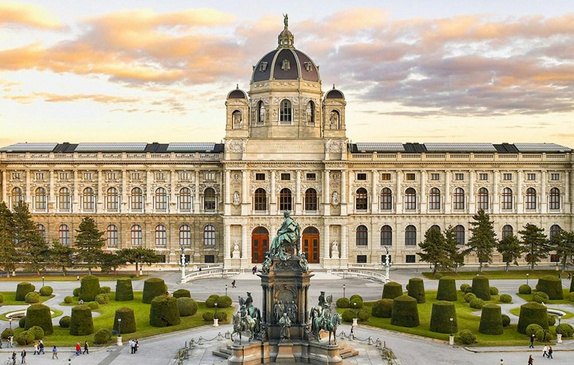 Kunsthistorisches Museum, Wien
-
Hofburg Imperial Palace
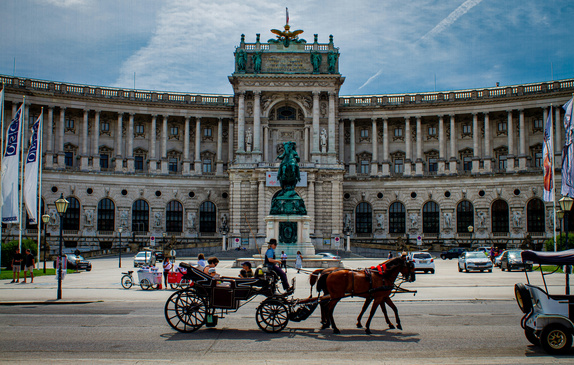
The Hofburg was the principal imperial residence of the Habsburg dynasty and has stood at the centre of Austrian political life for centuries. First built in the thirteenth century and repeatedly expanded, this vast palace complex served as the Habsburgs’ winter residence, while Schönbrunn Palace was used during the summer. Since 1946, it has been the official residence and workplace of Austria’s Federal President. Visitors can explore the imperial apartments and museums, while the complex also includes the magnificent Austrian National Library.
-
Schönbrunn Palace
Step into the former summer residence of the Habsburg emperors, a UNESCO World Heritage Site and one of Vienna's most visited landmarks. Tour the opulent state rooms, including the Hall of Mirrors and the Great Gallery, and learn about the lives of Empress Maria Theresa and Empress Elisabeth ("Sisi"). Afterwards, stroll through the immaculate Baroque gardens, climb to the Gloriette for panoramic city views, or visit the world's oldest zoo. A perfect half-day or full-day experience for history lovers.
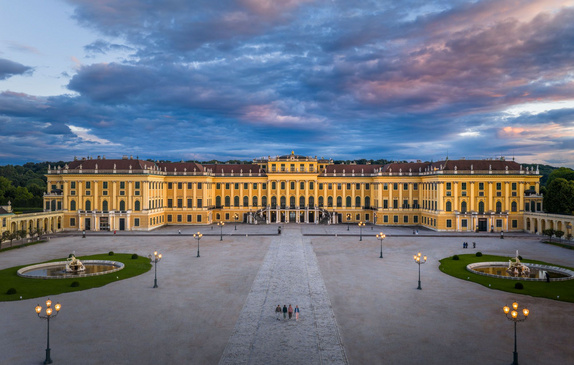 Schloss Schönbrunn Kultur- und Betriebsges.m.b.H./Severin Wurnig
-
Belvedere Museum
Home to the world's largest collection of paintings by Gustav Klimt, the Belvedere is a must for art lovers. See his iconic The Kiss and Judith in the Upper Belvedere, a Baroque palace built in the early 18th century for Prince Eugene of Savoy. The Austrian State Treaty was signed here in 1955, restoring the country's sovereignty. The collection also includes works by Egon Schiele and Oskar Kokoschka. Afterwards, stroll through the elegant Baroque gardens and enjoy views over the city.
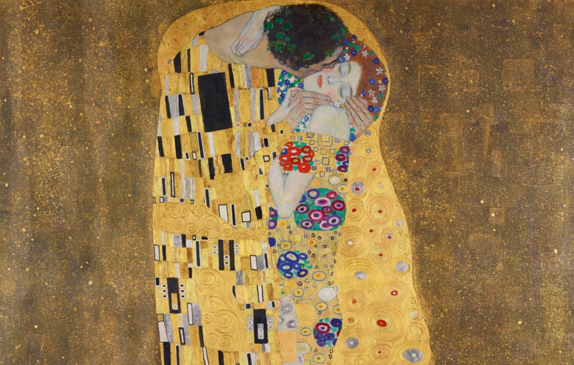 Belvedere, Wien
-
St. Stephen’s Cathedral
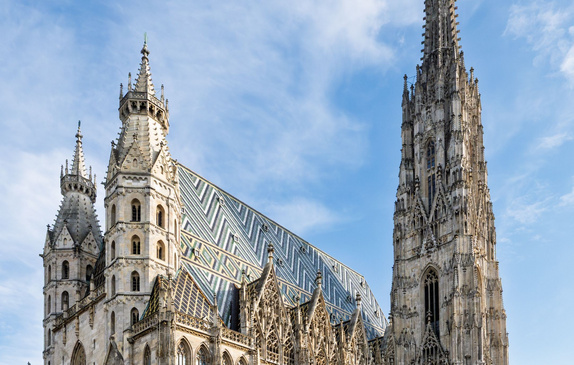
St. Stephen’s Cathedral (Stephansdom) is one of Vienna’s most recognisable landmarks, known for its soaring Gothic tower and distinctive colourful tiled roof. Visitors can explore the cathedral’s richly detailed interior, descend into its historic catacombs, or climb the South Tower’s 256 steps for panoramic views across the city. It is located on Stephansplatz, a lively square at the geographical centre of Vienna, surrounded by cafés, shops and historic streets, making it an ideal starting point for exploring the old town.
-
St. Charles’s Church
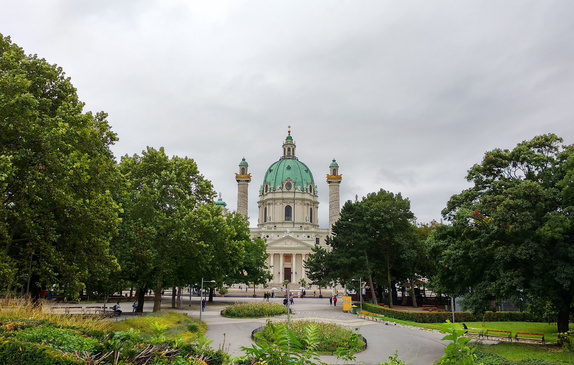
St. Charles’s Church (Karlskirche) is one of Vienna’s most significant Baroque landmarks and among the finest Baroque churches north of the Alps. Built in the first half of the eighteenth century, it stands on Karlsplatz near the city centre and is distinguished by its grand dome, monumental portico and two impressive columns. Inside, visitors can admire richly decorated frescoes and a historic organ. A panoramic lift rises towards the dome, offering close views of the ceiling paintings and sweeping views of Vienna.
-
The Albertina Museum
Located in Vienna’s historic First District, the Albertina is one of the city’s leading art museums. Its world-renowned collection includes around 65,000 drawings and approximately one million prints by Old Masters, as well as photographs, architectural drawings and modern graphic works. The museum also displays major works of Impressionism and early twentieth-century art, including paintings by Monet, Degas, Renoir, Picasso and Klimt. With regularly changing temporary exhibitions, the Albertina is an excellent destination for art lovers visiting Vienna’s city centre.
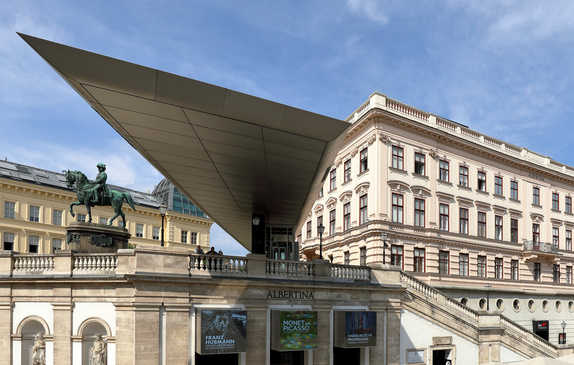 C.Stadler/Bwag
-
Prater
Where tradition meets excitement: Vienna’s Prater is a place where iconic landmarks, attractions for all ages, and green spaces come together. Once an imperial hunting ground, it was opened to the public by Emperor Joseph II. Walk along the Hauptallee, a tree-lined avenue stretching over four kilometers, or relax in the meadows and woodland. For a change of pace, visit the historic Wurstelprater amusement area and ride the Giant Ferris Wheel. Entry is free, and the park is easily reached by metro. A relaxed blend of nature, history and Veinnese charm.
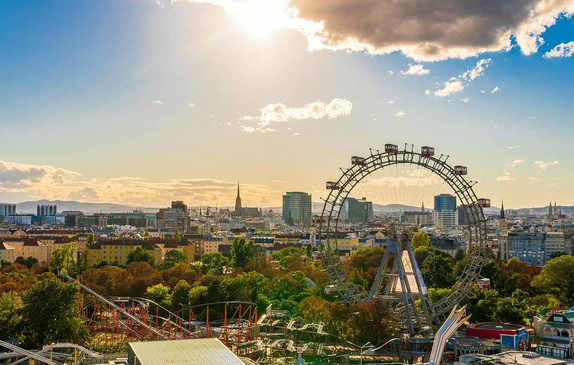 Anton Uniqueton/Pexels
-
Vienna State Opera
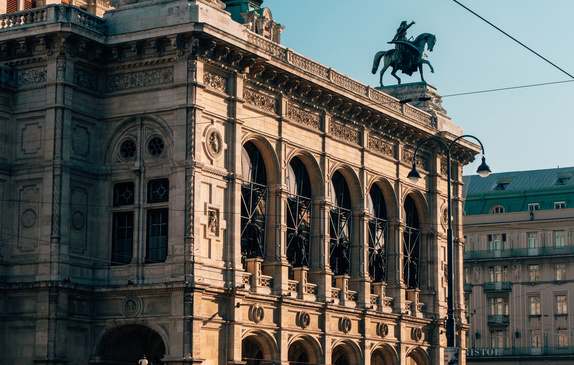
Experience the Vienna State Opera, where Mozart, Strauss and Wagner continue to captivate audiences. Located on the Ringstrassee among Vienna’s landmarks, it was built in the late nineteenth century under Emperor Franz Joseph and rebuilt after the Second World War. Combining Gothic and Renaissance influences, it has shaped Austrian cultural life for 150 years. Its programme includes opera, operetta and ballet, with tickets for every budget. During the July and August summer break, regular performances pause and the venue instead presents concerts and cabarets.
-
Burgtheater
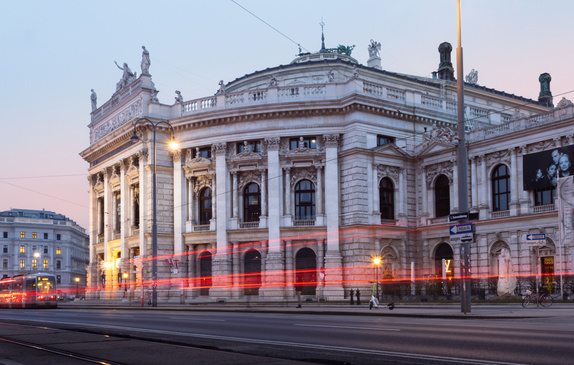
Vienna’s Burgtheater, the largest German-speaking theatre, is a major cultural landmark located directly opposite the City Hall (Rathaus). Its grand staircases feature ceiling frescoes by Gustav Klimt, Ernst Klimt and Franz Matsch. From September to June, its programme combines new productions of renowned works with contemporary plays. Through clubs, community productions and laboratories, the affectionately known “Burg” invites people of all backgrounds to engage with theatre. While regular performances pause in July and August, it hosts the annual ImPulsTanz Festival, with performances and workshops across Vienna.
-
Wiener Musikverein
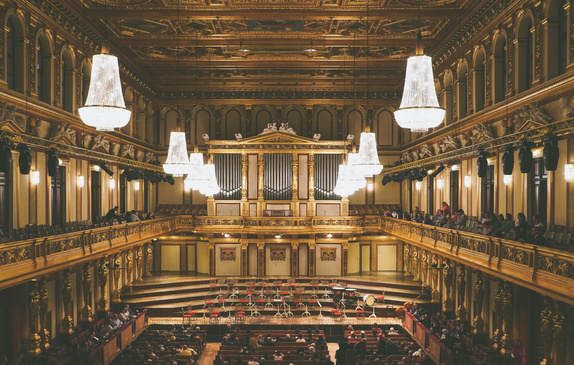
The Wiener Musikverein (Viennese Music Association) is one of Vienna’s most celebrated concert venues and the home of the Vienna Philharmonic. Located in the First District, it is internationally renowned for its exceptional acoustics, particularly in the magnificent Golden Hall, which is considered among the world’s finest concert halls. In addition to an extensive programme of classical concerts, the Musikverein offers guided tours that reveal the history and architecture of this iconic building. Its contemporary events, conversations and multimedia installations also create new ways to experience music.
-
The Spanish Riding School
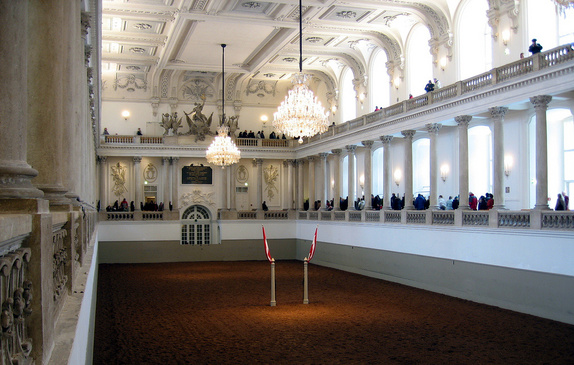
One of Austria’s oldest surviving traditions can be experienced at the Spanish Riding School. First mentioned in 1565, it celebrated its 450th anniversary in 2015. Public performances began in 1919, following the end of the Austrian monarchy. In 2010, the school’s Classical Horsemanship in the Renaissance tradition was recognised by UNESCO as Austrian intangible cultural heritage. Today, visitors can admire this unique art through a range of performances or gain insight into the horses’ daily training during the Morning Exercise.
 rp72
-
Sisi Museum
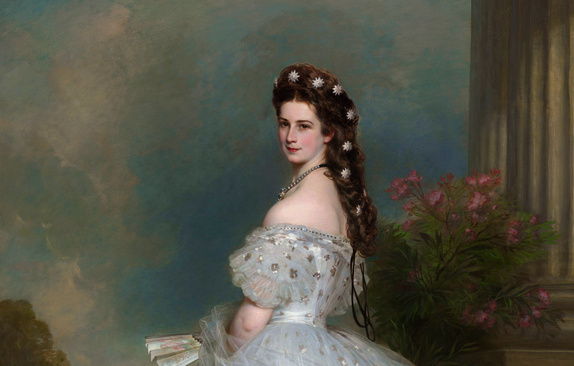
Located in Vienna’s Hofburg Palace, the Sisi Museum offers a fascinating and nuanced portrait of Empress Elisabeth of Austria, affectionately known as "Sisi". Personal belongings, portraits and historical objects reveal both her public role as empress and the more private world behind the enduring legend. The visit also includes the Imperial Apartments, where Emperor Franz Joseph and Elisabeth lived and worked. Across 24 authentically furnished rooms, visitors can explore the studies, private suites and reception rooms of Austria’s celebrated imperial couple.
 Franz Xaver Winterhalter
-
The Votive Church
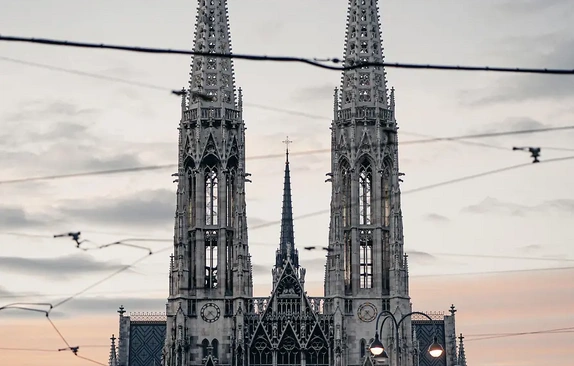
The Votive Church (Votivkirche) is a striking Neo-Gothic landmark on Vienna’s Ringstrasse, near the University of Vienna. It was commissioned after Emperor Franz Joseph survived an assassination attempt in 1853 and was consecrated in 1879, on the couple’s silver wedding anniversary. Its twin spires rise 99 metres, making it Vienna’s second-tallest church after St. Stephen’s Cathedral. Visitors can also explore the Votive Church Museum, housed in the former Imperial Oratory and featuring the exceptional fifteenth-century Antwerp Altar.
 Gregor Hofbauer
-
Hundertwasserhaus
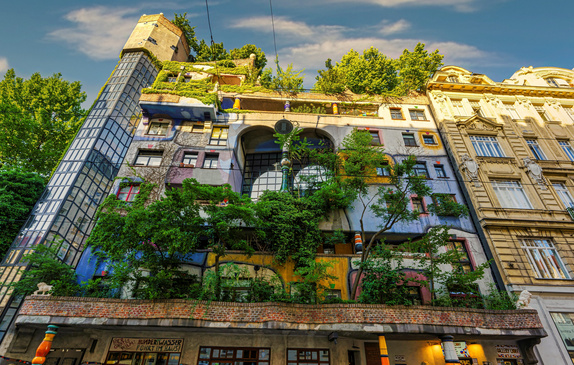
The Hundertwasserhaus is one of Vienna’s most distinctive architectural landmarks. Completed in 1985, the residential building was conceived by Austrian artist Friedensreich Hundertwasser and reflects his playful, expressive approach to colour, nature and irregular forms. Located in the Landstrasse district, its vibrant façade, uneven lines and decorative details make it instantly recognisable. More than 200 trees and shrubs grow from its balconies and roof terraces, creating a green oasis in the city. As it remains a private residence, it can be viewed from outside only.
-
The MuseumsQuartier (MQ)
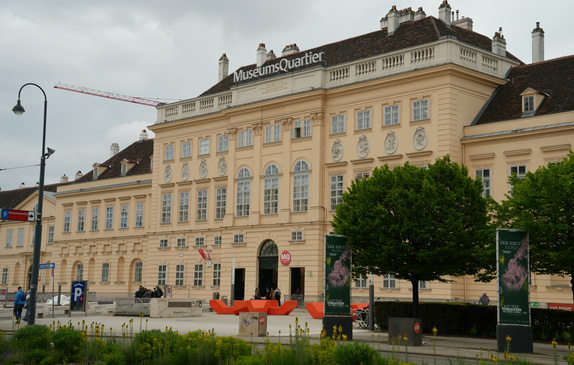
The MuseumsQuartier (MQ) is one of Europe’s largest cultural complexes, combining historic former imperial stables with contemporary architecture in central Vienna. Opened in 2001, it brings together museums, exhibition spaces, artist studios, cafés, restaurants and lively public courtyards. Highlights include the Leopold Museum, home to major works by Egon Schiele, and mumok, Vienna’s museum of modern art. For panoramic city views, visitors can take the free lift to the Libelle rooftop terrace atop the Leopold Museum, which includes a bar overlooking the Hofburg and the Kunsthistorisches and Naturhistorisches Museums.
-
Augarten Porzellan
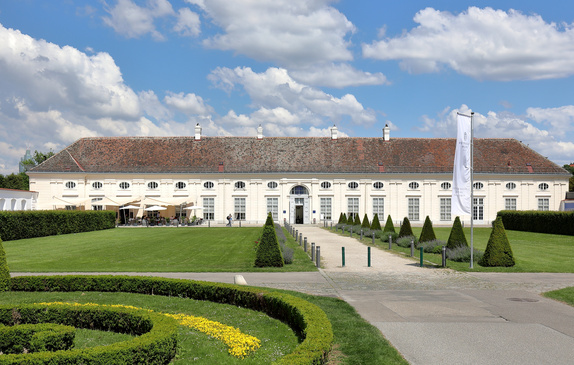
Augarten Porcelain Manufactory, founded in 1718, is Europe’s second-oldest porcelain manufacturer. Since reopening in 1923, it has continued to produce and hand-paint porcelain in Vienna. It is located in the Augarten, Vienna’s oldest Baroque garden complex and a largely public park covering around 52 hectares. Its collections range from traditional Biedermeier designs, including the Wiener Rose, to Josef Hoffmann’s famous Melon Service and contemporary pieces by young designers. Visitors can explore the manufactory’s museum, shop for porcelain, and enjoy the park’s cafés, cultural venues and the Vienna Boys’ Choir.
 C.Stadler/Bwag
-
Jewish Museum Vienna
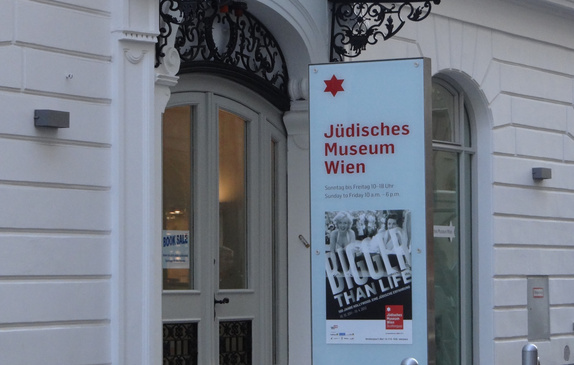
Located not far from St Stephen’s Cathedral in Vienna’s first district, the Jüdisches Museum Wien presents a wide ranging exploration of Jewish history, religion and contemporary culture. Alongside its permanent displays, the museum regularly hosts special exhibitions. A second site, only a few minutes away at Judenplatz, contains the remains of a medieval synagogue dating from the fifteenth century. The square is also home to Rachel Whiteread’s Holocaust Memorial, commemorating the Jewish victims of the Shoah.
-
Naschmarkt
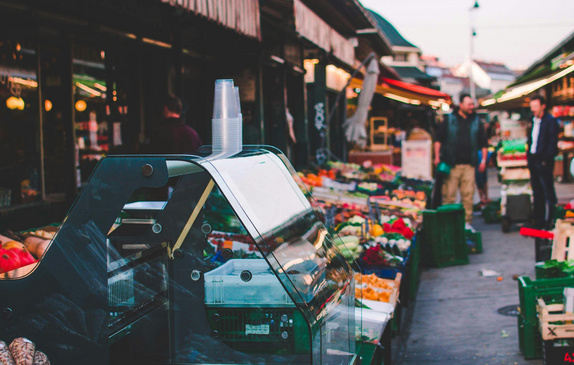
Vienna’s Naschmarkt is the city’s largest inner-city market and one of its most popular sights. Covering around 2.3 hectares, it combines traditional market stalls selling fresh produce, meat, cheese, spices and delicacies with a vibrant range of cafés and restaurants. It is especially charming in summer, when outdoor seating areas known as “Schanigärten” come alive. Many restaurants specialise in Middle Eastern and Mediterranean cuisine. Every Saturday, the neighbouring car park becomes one of Vienna’s largest flea markets, attracting bargain hunters, collectors and curious visitors alike.
-
Film Festival Rathausplatz
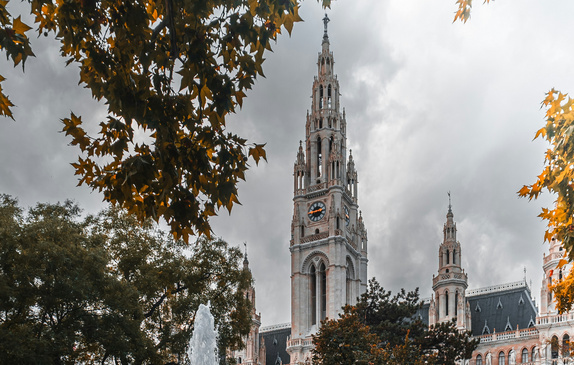
Vienna’s City Hall Square, opposite the Burgtheater, hosts events throughout the year, including the famous Christmas market. From 3 July to 5 September, the square becomes the venue for the Film Festival, where all screenings are free. Despite its name, the programme mainly features filmed operas, musicals and recordings of major concert performances rather than feature films. Even without attending a screening, visitors can enjoy the many food and drink stalls, making it an inviting setting for an evening out.
-
Viennese cafés
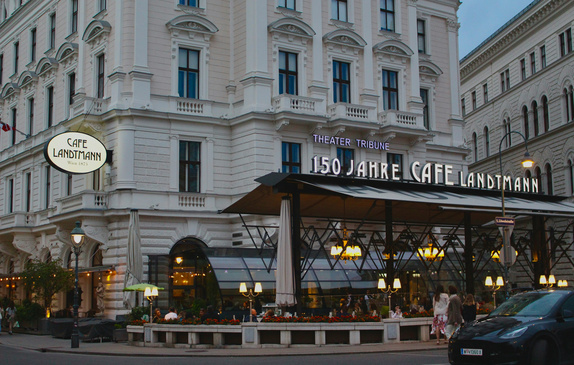
Vienna’s famous Coffeehouse culture is still alive and appreciated throughout the city. Beyond institutions such as Café Sacher, Café Demel and Café Central, it is worth looking out for smaller cafés while exploring. A Café is not necessarily only for coffee and dessert: many traditional venues also serve a selection of warm Austrian dishes, ideal for lunch. Others, especially around the university and in the seventh district, become lively evening spots. Nevertheless, wherever you go, expect to find a “Melange” and a “Spritzer” on the menu.
-
Rooftop Bars
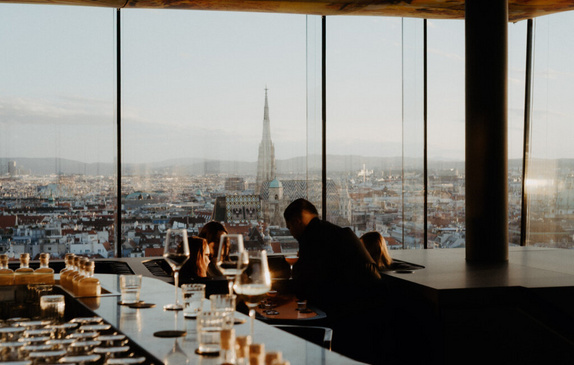
To enjoy Vienna’s full panorama, visiting one of the city’s rooftop bars is certainly worthwhile. Whether over a coffee during the day or a cocktail in the evening, seeing Vienna from above offers a different perspective. From many high vantage points, it becomes especially clear just how green the city is. Depending on the location, visitors can also spot the surrounding hills and mountains, including Leopoldsberg and Kahlenberg, as well as the Vienna Woods.
 LIEB.ICH PRODUCTIONS
-
Kultursommer Wien
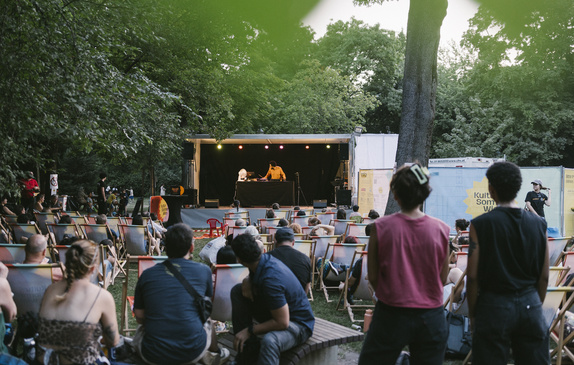
Another annual highlight in Vienna is the Kultursommer, a six week summer festival held in parks outside the city centre. All events are free of charge and offer a varied programme, from concerts and circus performances to interactive activities. The festival provides a platform for young artists and emerging talent, while offering Vienna’s residents and visitors a rich programme of accessible cultural events throughout the summer.
 Niko Havrane
-
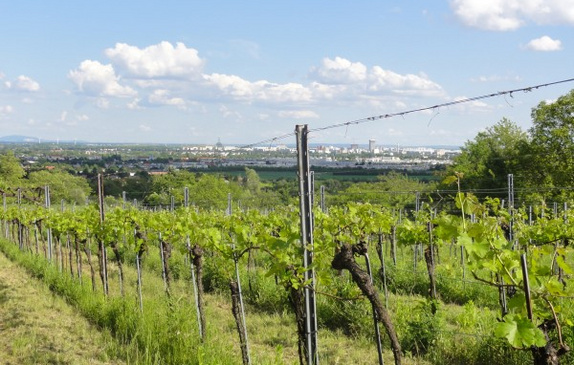
Wine tours
A proud and distinctive feature of Vienna is its wine production within the city limits. Often called Europe’s wine capital, Vienna has around 588 hectares of vineyards, cultivated by large producers and small family businesses alike. In Floridsdorf and Döbling, visitors can follow hiking routes through the vineyards before visiting a traditional restaurant, known locally as a Buschenschank or Heuriger. Opening times are available through local announcements or tourism websites. Be sure to try Wiener Gemischter Satz, a regional speciality available only in Vienna.
 Gabriele Knizak